Why Does Condensation Form on Windows?
The air inside our homes naturally contains moisture. Cooking, showering, drying clothes and even breathing all increase the amount of water vapour in the air.
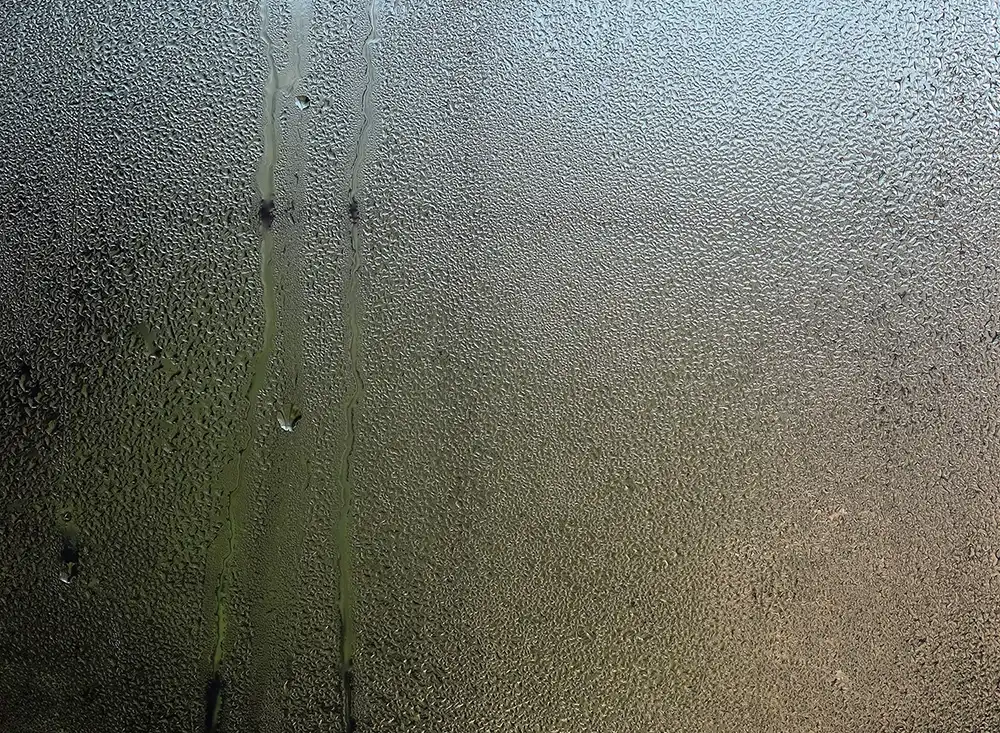
Problems can arise when this warm, moisture-containing air comes into contact with a cold surface.
If the surface is cold enough, the air immediately next to it cools below its dew point and some of the water vapour turns into liquid water.
This is condensation.
Windows are particularly susceptible because glazing has traditionally been one of the coldest surfaces within a building.
Why Is It So Common With Single Glazing?
Traditional single glazing provides relatively little resistance to heat transfer.
A typical single pane of glass has a U-value of approximately 5.2 W/m²K. During winter, when temperatures outside fall, the internal surface of single glazing can become extremely cold.
Warm indoor air then comes into contact with this cold glass and condensation can form.
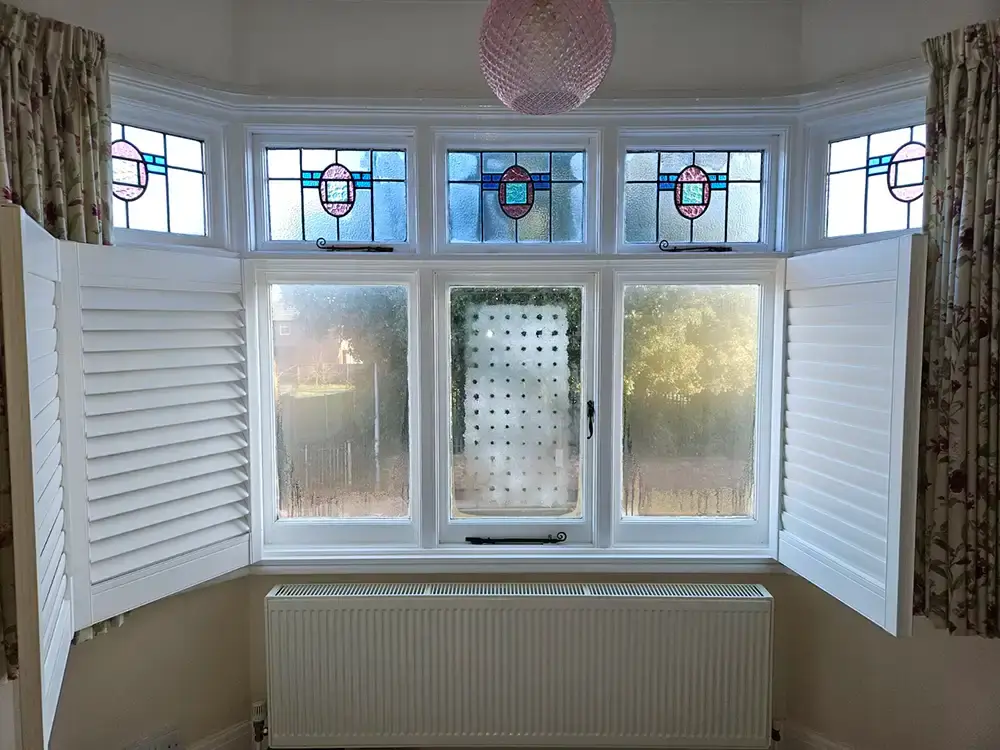
This is why older single-glazed sash and casement windows can regularly become covered with moisture during colder weather.
And it isn’t simply inconvenient. Repeated moisture around windows can contribute to damp conditions, damage decorations and timber, and create conditions in which mould can develop.
How Can Vacuum Glass Reduce Condensation?
The key difference is thermal performance.
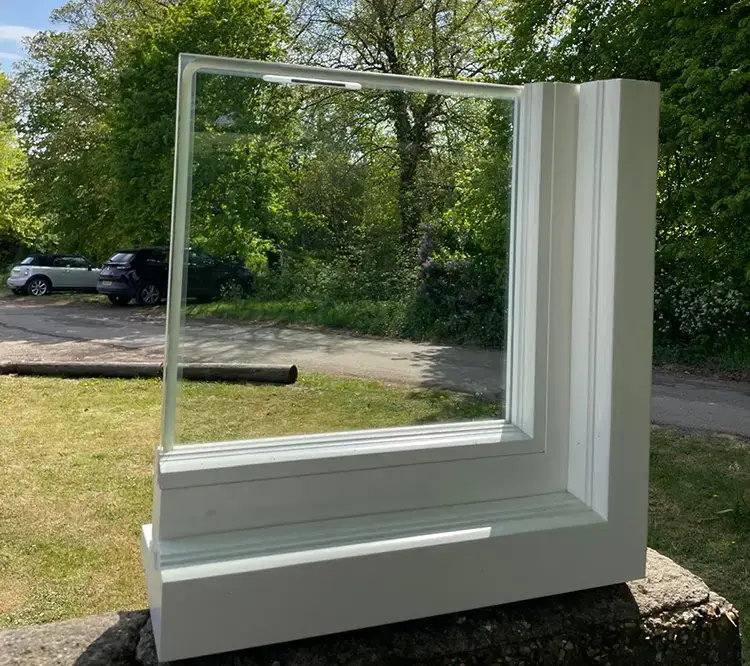
LandVac Vacuum Glass uses two panes of glass separated by an extremely narrow vacuum cavity. By removing the air between the panes, heat transfer through the centre of the glass is dramatically reduced.
The result is exceptional insulation from an incredibly slim glazing unit.
LandVac can achieve centre-pane U-values as low as 0.34 W/m²K, compared with approximately 5.2 W/m²K for traditional single glazing.
That difference has an important effect when it comes to condensation:
The internal surface of the glass stays warmer.
Because significantly less heat is being lost through the glazing, the room-facing pane can remain at a much higher temperature than traditional single glass.
A warmer internal surface is less likely to reach the dew point at which condensation begins to form.
In simple terms:
Cold glass + warm, humid air = greater chance of condensation
Warmer glass + warm indoor air = reduced chance of condensation
This is why improving the thermal performance of a window can have such a noticeable impact on internal condensation.
[IMAGE – Thermal demonstration / thermal camera comparison between single glazing and LandVac] – whatsapp image